


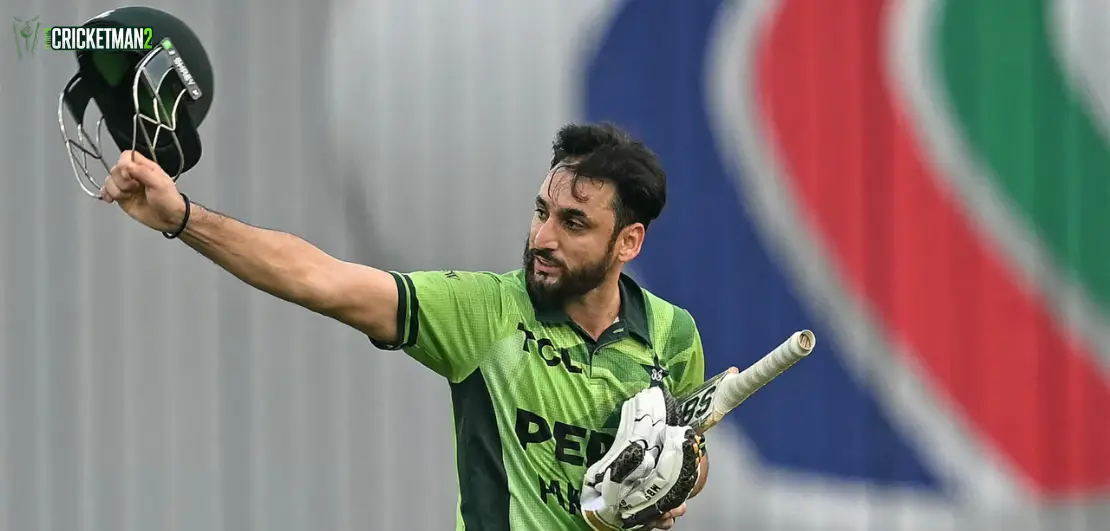
A controversial run-out involving Pakistan batter Salman Ali Agha and Bangladesh captain Mehidy Hasan Miraz during the Bangladesh vs Pakistan ODI series created a big debate among cricket fans.
The Marylebone Cricket Club (MCC), which oversees the Laws of Cricket, later explained the incident and clarified why the run-out decision was considered valid under current rules.
Bangladesh Win the ODI Series 2–1
The three-match ODI series between Bangladesh and Pakistan ended with Bangladesh winning the series 2–1. The matches produced several key moments, including the run-out controversy in the second ODI.
Bangladesh vs Pakistan ODI Series Results
| Match | Result | Key Highlight |
|---|---|---|
| ODI 1 | Bangladesh won | Pakistan all out for 114, Bangladesh chased the target with 8 wickets left |
| ODI 2 | Pakistan won | Match included the controversial run-out involving Salman Ali Agha |
| ODI 3 | Bangladesh won | Bangladesh secured the series with an 11-run victory |
The second ODI became the center of discussion because of the unusual run-out incident.
Also See : AB de Villiers Picks Jasprit Bumrah as the Greatest T20 Player
What Happened During the Run-Out Incident
The incident happened during Pakistan’s chase in the second ODI.
Mohammad Rizwan played a shot towards mid-on. Mehidy Hasan Miraz tried to stop the ball. At that moment, Salman Ali Agha, who was outside his crease, moved toward the ball and attempted to stop or pick it up.
After the ball changed hands, Miraz quickly threw it at the stumps. Since Agha was outside the crease when the stumps were broken, the umpires ruled him run out.
Agha reacted angrily on the field after the decision.
ICC Reprimands Salman Ali Agha
Following the match, the International Cricket Council reprimanded Salman Ali Agha.
The action was taken because of his on-field reaction after being given out. His gestures and protest against the decision were considered inappropriate under the ICC code of conduct.
MCC Clarifies the Laws Behind the Decision
The MCC later explained the situation by referring to the current Laws of Cricket.
According to the MCC, the umpires made the correct decision because the ball was still in play when the run-out happened.
Key points from MCC’s explanation:
- Salman Ali Agha had left his crease when the wicket was broken
- The ball was still live and had not been declared dead
- Since the ball was in play, the run-out was valid under the laws
The MCC also noted that Agha had moved toward the ball and attempted to handle it. A batter picking up the ball without permission from the fielding side could even lead to a dismissal for obstructing the field.
The club also explained that the collision between players did not automatically make the ball dead.
New Cricket Law to Be Introduced Later This Year
The MCC also discussed an upcoming law change that will take effect in October.
Under the updated law, the decision about whether the ball is dead will rely more clearly on the on-field umpire.
Key Points of the Upcoming Rule
| Rule Change | Explanation |
|---|---|
| Umpire authority | The on-field umpire will decide when the ball becomes dead |
| Ball settled | If the ball is clearly stationary, the umpire may declare it dead |
| Run-out attempts | If a fielder attempts a run-out while the batter is outside the crease, the ball may still remain live |
The MCC explained that this rule change is meant to make similar situations clearer in the future, not to change the outcome of this specific incident.
The MCC’s explanation confirms that the run-out was legal under the current rules. It also reminds batters that they must stay inside their crease until the ball is clearly dead.
The discussion has also highlighted the importance of understanding cricket laws, especially in unusual situations involving collisions or players touching the ball.
The new rule coming later this year will give umpires more authority to decide when the ball is considered dead, which could help avoid confusion in similar incidents in the future.