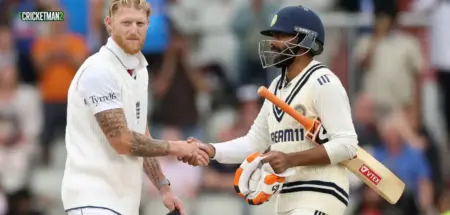


Limited-overs cricket once treated the first six overs as a cautious handshake between ball and bat. Field restrictions encouraged gentle nudges rather than aerial risks, with consolidation preferred over fireworks. The arrival of Twenty20 flipped that script. Shorter match length rewarded early aggression, forcing technical evolution in grip, stance, and shot selection. Franchise leagues then amplified innovation by pitting world-class bowlers against fearless hitters night after night.
The mindset shift resembles the sudden, high-stakes excitement found in fortune gems 2 jili, where quick calculations and bold moves dictate outcomes before slow tactics can settle in. Modern opening pairings now enter with a clear mandate: score fast or surrender initiative, because six overs disappear in the blink of an eye.
Key Tactical Shifts Triggered by T20 Growth
- Front-Foot Dominance
Powerplay plans now prioritise lunge-free forward presses, allowing full face presentation and lofted drives over mid-off from the very first delivery. - Leg-Side Leverage
Flexible hips unlock whip strokes through square leg, exploiting only two boundary riders permitted outside the ring. - Pre-Mediated Movement
Walk-down approaches and late shuffles upset length prediction, converting good-length balls into half-volleys. - Ramp and Scoop Usage
Conventional defence gives way to knee-drop ramps that send seamers over fine leg, punishing short third restrictions. - Strike-Rotation Sprint
Dot-ball aversion produces risk-free dabs into cover gaps, keeping run rate above eight even without boundaries.
Observation from analysts highlights an interesting pattern: high intent does not equal reckless slogging. Successful openers maintain head position, weight transfer, and wrist control, replicating laboratory drills under match pressure. The difference lies in calculated percentage zones mapped through data. Bowlers reading cues adjust fields, but powerplay regulations leave limited cover, so risk remains tilted towards bat.
Equipment and Conditioning Advances
Thicker edges and lighter willow designs allow mis-hits to clear thirty-yard circles. Fitness regimes focus on explosive core strength; medicine-ball rotations and resistance-band swings build torque vital for inside-out drives. Reaction simulations via ball machines set at speeds once reserved for death overs now form part of daily warm-ups, ensuring comfort against 145 kph powerplay bursts.
Coaching staffs use high-frame-rate video to break down shoulder alignment during pick-up shots. Small tweaks such as closing the stance by two degrees translate into extra metres of carry. Margins matter; clearing in-field hands by even half a metre converts dismissal threats into four runs.
Skills Modern Openers Emphasise During Training
- Predictive Shot Mapping
Visualising bowlers’ powerplay plans helps pre-position the front foot without telegraphing intent. - Angle Exploitation
Work on wrists and elbow flexion produces late cuts that beat point despite packed off-side rings. - Lower-Body Stability
Box-jump routines and single-leg squats anchor balance when improvising scoops or reverse sweeps. - Situational Awareness Drills
Net sessions replicate mid-innings field sets, but timers restrict deliveries to mirror powerplay tempo. - Breathing Control Under Adrenaline
Two-step inhale-exhale cycles steady eye focus, allowing clear sight of seam while crowd noise peaks.
Spacing between bullet lists mirrors innings flow: brisk scoring segments followed by regroup moments before the field spreads beyond the ring.
Data-Driven Match Preparation
Analysts feed algorithms with ball-by-ball archives to highlight lengths each seamer favours in overs one to three. Batting units then run scenario nets where machines hit those spots repeatedly. By match day, a fuller half-volley from a right-arm quick feels familiar, encouraging confident loft over cover. The same research informs fielding positions; captains now station mid-on a step wider to plug the increasingly popular inside-out chip.
Spinner usage in powerplays once felt risky, yet data reveals off-spinners bowling into right-hand pads often leak fewer boundaries than medium pace drifting wide. As a result, batting plans adjust: sweep and reverse-sweep become priority skills, forcing captains to rethink again. The loop of adaptation accelerates year by year, powered by tournaments offering constant feedback.
Psychological Edge and Narrative Control
Fast starts shape spectator perception. A scoreboard showing fifty without loss after twenty-four balls exerts pressure beyond numerical value. Bowlers shorten run-ups, overpitch seeking yorkers, or drift leg-side trying to cramp swing arcs, often conceding extras. Batters aware of this psychological tipping point push hard until powerplay ends, then recalibrate to safer accumulation once fielders drop back.
On commentary panels, praise shifts from flamboyant six-hitting to efficiency metrics such as boundary percentage and false-shot ratio. An opener striking at 160 with zero wild swipes earns accolades for professionalism rather than mere power. This evolution underscores how T20 has matured from novelty fireworks to strategic discipline.
Conclusion
T20 cricket reshaped the opening six overs into a decisive battlefield where preparation, precision, and nerve converge. Powerplay success hinges on exploiting limited protection while minimising risk through data-backed shot selection and advanced conditioning. Batters embracing these adjustments influence match momentum dramatically, proving that modern aggression is less about brute force and more about informed intent. As coaching tools grow smarter and gear continues to evolve, the next generation will likely push boundaries further, yet core lessons remain clear: study the field, trust rehearsed angles, and seize the fleeting window before defensive umbrellas close in.