

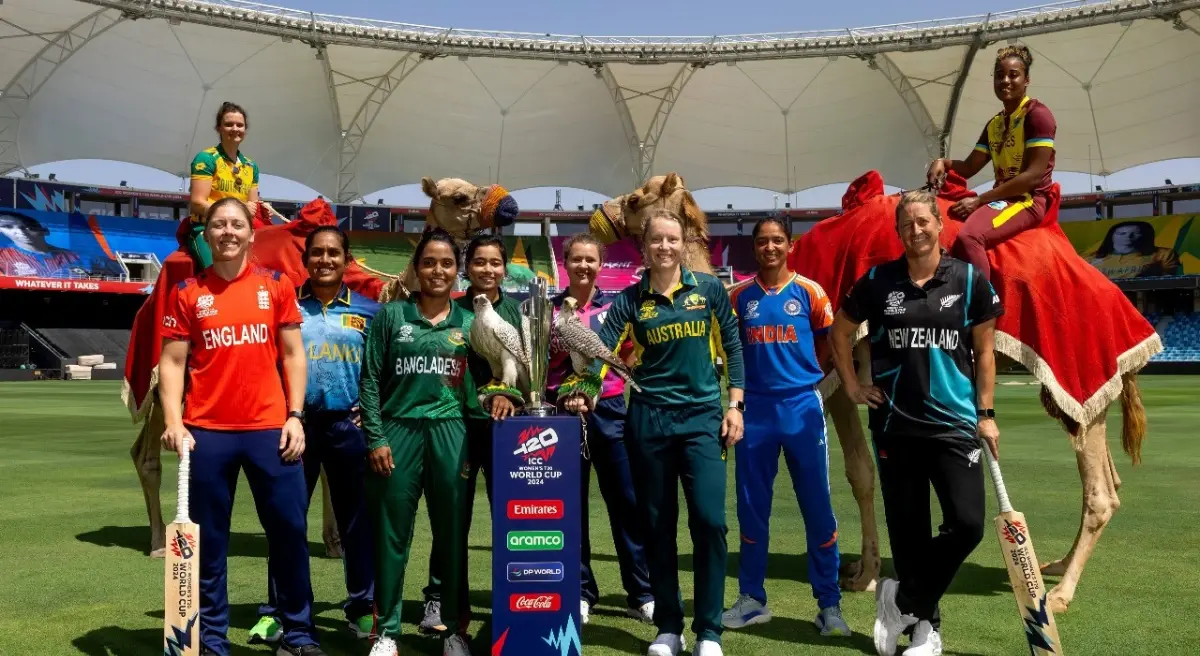
The next big cricket event on the 2026 calendar is the ICC Women’s T20 World Cup, which runs in England and Wales from 12 June to 5 July. It is a 12-team tournament, with the final at Lord’s, and that gives it a very clear feel from the start: major venues, big crowds and very little room for slow starts.
That is why this tournament already looks so appealing. England will have the home crowd and the home conditions. Australia arrive with the usual weight of expectation. India will again be one of the sides watched most closely. New Zealand, South Africa and West Indies all have enough quality to change the picture quickly if they find rhythm early. Even readers who spend time scanning fixtures, form guides or UK betting sites will know this event is about more than favourites on paper. In T20 cricket, one strong spell or one fearless innings can swing the whole tournament.
Why this World Cup looks so open
The easy reaction is to place Australia at the front and leave it there. That is understandable. They remain the standard-setters in women’s white-ball cricket, and their squad depth still looks stronger than most. But this tournament does not feel like a one-team story.
England will believe the schedule gives them a genuine chance to build momentum. They open against Sri Lanka at Edgbaston and, with home support behind them, will expect to be in the semi-final conversation from the start. India are in the same group as Australia, South Africa and Pakistan, which should make that section sharper and harder from the first week.
The broader point is simple: T20 tournaments punish hesitation. A team can look settled for three matches, lose one key game, and suddenly be relying on net run rate or outside results. That is why balance matters so much. Sides with reliable bowling at the death, flexible top orders and two or three genuine match-winners usually last longest.
Australia still look like the team to beat
Australia remain the most obvious favourites because they still have the cleanest mix of power, experience and tournament habit. They know how to handle these events. They rarely panic, and they usually have more than one route to a winning total.
That matters in England as much as anywhere else. If batting conditions are good, they can out-hit teams. If surfaces get slower or more awkward, they have enough control with the ball to squeeze the middle overs and stay in front of the game.
The players to watch are the ones you would expect, but that does not make them any less important. Beth Mooney remains one of the safest and smartest batters in this format. Alyssa Healy, if fully fit and firing, changes the tempo of matches almost immediately. Ellyse Perry still brings calm and class, while Alana King gives them another genuine threat if spin becomes a bigger factor through the event. ICC coverage this month has also pointed to King’s push for selection as part of Australia’s build-up.
Australia are the team everyone measures themselves against. That will not change in June.
England have the home advantage and the pressure that comes with it
Hosting a World Cup is useful, but it is not relaxing. England should know the conditions well, should have strong support in every game, and should feel comfortable with the pace of the tournament. At the same time, that brings a different kind of scrutiny.
They will be expected to make a serious run at the title. Anything less than a semi-final would feel poor. A home final at Lord’s is the obvious dream, and that makes the early group games more important than they first appear.
England’s strengths are clear enough. Their best players can score quickly without making the innings look rushed, and their bowling has enough variation to manage different match situations. The key names will draw plenty of attention: Nat Sciver-Brunt for her all-round control, Sophie Ecclestone for her ability to own the middle overs, and Danni Wyatt-Hodge for the kind of starts that can change the tone of a match. England will also hope their leaders keep the side calm if expectations rise too quickly. ICC has already highlighted England’s tournament countdown and the significance of the home campaign.
England do not need to be spectacular in every match. They need to look settled, adaptable and hard to rush.
India feel close, but this is about turning promise into results
India will not be short of attention, and fairly enough. In women’s T20 cricket, they have enough quality to beat any side. The question is whether they can put together a full tournament run against the strongest opposition.
The draw makes them especially interesting because they are in the harder-looking group, with Australia and South Africa in there as well. That should tell us quite a lot about them early. If India start well, they become a very serious contender. If they lose rhythm in the first week, the route gets complicated quickly.
The players to watch are obvious but important. Smriti Mandhana can make even good attacks look flat if she settles early. Harmanpreet Kaur still carries the mood of the side in big moments. And if India’s younger players support those senior names properly, they stop looking like a dangerous outsider and start looking like a team ready to win the whole thing.
India’s challenge is not talent. It is timing and consistency.
The other teams who could shift the tournament
South Africa have earned the right to be taken seriously in this format. They are athletic, aggressive and often well organised. If their batting clicks, they can beat anyone. Being in Australia and India’s group makes their margin for error smaller, but it also means they could shape the whole tournament.
New Zealand are always worth watching because they tend to stay disciplined and competitive even when the spotlight is elsewhere. They may not enter with the same noise around them, but that can help. ICC coverage in recent weeks has also highlighted Amelia Kerr’s form, and that alone gives New Zealand a major match-winning factor.
West Indies remain dangerous because they bring power and unpredictability. In T20 cricket, that is often enough to unsettle stronger-looking teams. If they get through the group stage cleanly, nobody will want to face them in a semi-final.
And then there are the qualifiers. In a 12-team tournament, one well-drilled outsider can change the shape of a group very quickly. That is always worth remembering.
Players who could define the tournament
A few names already stand out:
Beth Mooney – still one of the most reliable batters in the format.
Nat Sciver-Brunt – gives England control with both bat and ball.
Sophie Ecclestone – the kind of bowler who can win a semi-final almost by herself.
Smriti Mandhana – if she starts fast, India look different.
Harmanpreet Kaur – still central to India in big moments.
Amelia Kerr – form player, all-round value, genuine game-changer.
Alyssa Healy – can alter the pace of a match in one spell at the crease.
The Women’s T20 World Cup in 2026 has the right ingredients already. Strong hosts, a clear favourite, a couple of serious challengers and enough dangerous outsiders to make the group stage matter.
Australia deserve to start at the front. England should feel they have a genuine chance on home soil. India look capable of a deep run if they get the balance right. South Africa, New Zealand and West Indies are all good enough to disrupt the obvious script.
That is usually what makes a T20 World Cup work. Not certainty, but pressure. Not just reputation, but timing. And in June, with Lord’s waiting at the end of it, that pressure will feel real very quickly.