

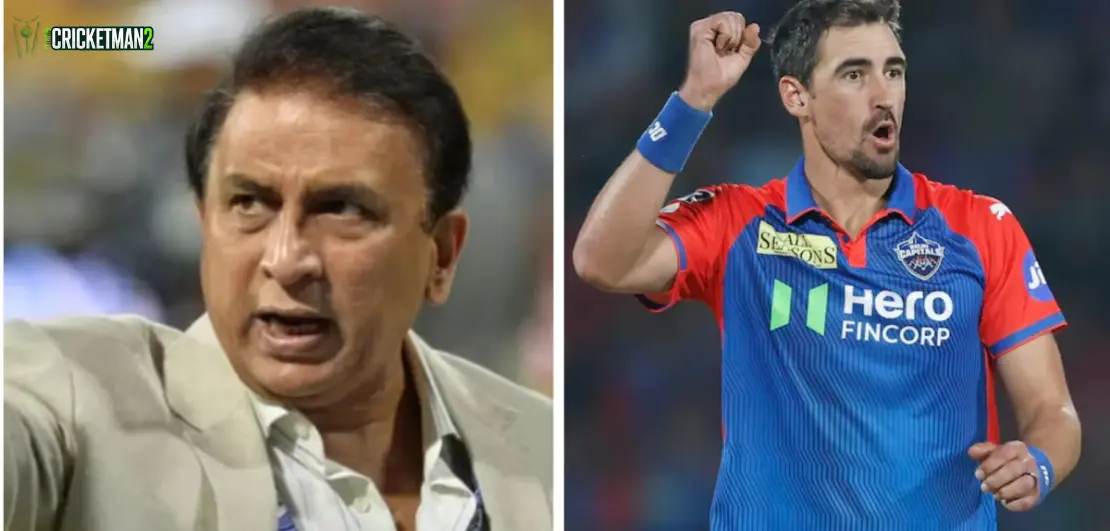
Indian cricket legend Sunil Gavaskar has strongly criticized some overseas players for not showing full commitment to the Indian Premier League (IPL). According to Gavaskar, several foreign players treat the tournament casually even though franchises provide them with excellent facilities and support.
He believes IPL teams should take stricter steps against players who miss matches without proper reasons, as it affects team planning and the overall quality of the competition.
Gavaskar Raises Concern About Overseas Players’ Commitment
Gavaskar said many overseas cricketers enjoy several benefits while playing in the IPL. Teams provide comfortable travel, good accommodation, and even arrange visits for players’ families during the tournament.
However, despite these advantages, some players do not remain available for the entire tournament. According to Gavaskar, players sometimes skip matches for reasons other than injury, which creates problems for the teams.
The former India captain feels this attitude is unprofessional and can hurt franchises that invest significant money and planning into building strong squads.
Examples from IPL 2026
Gavaskar pointed to a few recent situations in IPL 2026 to explain his concern.
| Player | Team | Situation |
|---|---|---|
| Mitchell Starc | Delhi Capitals | Not allowed by Cricket Australia to stay for the entire IPL season |
| Lockie Ferguson | Punjab Kings | Took leave from the tournament to spend time with his newborn child |
These situations show that some players give priority to personal matters or national commitments even when they are important members of their IPL teams.
Gavaskar said such cases disrupt team combinations and make it difficult for franchises to plan their playing XI for the full season.
Also See : Gujarat Titans SWOT Analysis for IPL 2026: Strengths, Weaknesses, Opportunities and Threats
Hospitality of IPL Franchises
Gavaskar also highlighted how IPL franchises often go beyond normal professional support.
Some teams even arrange travel and accommodation for players’ families during the tournament. He described this as part of Indian hospitality rather than a player’s entitlement.
According to him, players should respect the tournament and the effort made by the franchises. Missing matches without strong reasons can damage the spirit of the league.
Gavaskar Calls for Strict Action by Teams
Gavaskar believes IPL team owners should take strong action when players are unavailable without valid reasons.
He suggested that franchises should not hesitate to drop players who fail to commit to the tournament fully. If strict rules are not enforced, teams may struggle to maintain consistency during the season.
He also mentioned the example of England’s Harry Brook, who faced a ban from the IPL after withdrawing from the tournament despite being picked by Delhi Capitals.
Ashwin Supports Gavaskar’s View
Indian spinner Ravichandran Ashwin has also supported Gavaskar’s opinion and proposed stricter financial penalties for players.
Ashwin suggested that if players do not complete their assigned roles, teams should have the authority to reduce their payments.
For example, if a bowler who is expected to bowl four overs only bowls two, a significant deduction from his salary could be considered.
| Suggestion by Ashwin | Purpose |
|---|---|
| Deduct salary for incomplete performance | Encourage players to commit fully |
| Penalize players who don’t fulfill roles | Maintain fairness in the league |
| Strict team control over player contracts | Improve professionalism |
Ashwin believes such penalties will make players more responsible toward their teams and the competition.
The debate started by Gavaskar and supported by Ashwin highlights a larger issue in modern franchise cricket. Balancing national duties, personal life, and league commitments is becoming increasingly difficult.
However, many experts feel the IPL must maintain strict professionalism because it is one of the most competitive and valuable T20 leagues in the world.
Franchises, players, and cricket boards may need clearer rules in the future to ensure teams can plan their squads without unexpected disruptions.