

The BCCI Central Contract 2026 for the 2025–26 season has been officially announced, bringing one of the biggest structural changes in recent years. In a major overhaul, the Board of Control for Cricket in India has scrapped the elite A+ category and introduced a three-tier contract system.
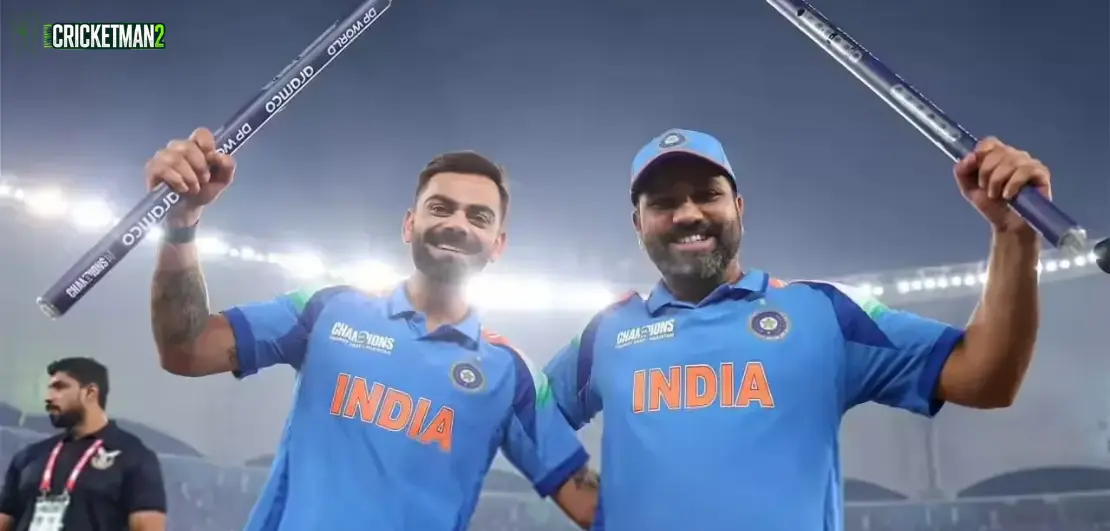
The move signals a clear shift toward rewarding current performance, workload, and multi-format availability, rather than past achievements. The restructuring also marks a transition phase, with senior stars Virat Kohli and Rohit Sharma placed in Group B.
New BCCI Contract Structure (2025–26)
The previous four-grade system has been replaced with a three-group model:
| Contract Group | Status |
|---|---|
| Group A | Top-tier players across formats or leadership roles |
| Group B | Senior and key multi-format or format-specific players |
| Group C | Emerging players and squad regulars |
The removal of the ₹7 crore A+ bracket reflects the board’s effort to align contracts with current involvement in international cricket.
Major Highlights of BCCI Central Contract 2026
A+ Category Scrapped
The biggest change is the complete removal of the A+ category, which earlier included India’s all-format superstars.
Kohli and Rohit in Group B
Indian legends Rohit Sharma and Virat Kohli are now part of Group B, reflecting the new performance-based and workload-focused structure.
Focus on Multi-Format Availability
Players actively contributing across formats or leading the national team have been placed in the top bracket.
Transition Toward the Next Generation
The new list reflects India’s long-term planning, with younger players earning central roles in the structure.
Group A Players (Top Tier)
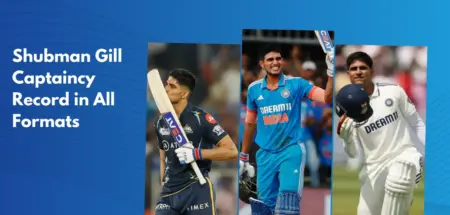
- Shubman Gill
- Jasprit Bumrah
- Ravindra Jadeja
Key Insight:
Shubman Gill’s inclusion at the top highlights his growing leadership role and importance across formats.
Group B Players
- Washington Sundar
- Rohit Sharma
- Virat Kohli
- KL Rahul
- Mohammed Siraj
- Hardik Pandya
- Rishabh Pant
- Kuldeep Yadav
- Yashasvi Jaiswal
- Suryakumar Yadav
- Shreyas Iyer
What stands out:
This category balances experience with core players who remain central to India’s plans across formats.
Group C Players
- Axar Patel
- Tilak Varma
- Rinku Singh
- Shivam Dube
- Sanju Samson
- Arshdeep Singh
- Prasidh Krishna
- Akash Deep
- Dhruv Jurel
- Harshit Rana
- Varun Chakravarthy
- Nitish Kumar Reddy
- Abhishek Sharma
- Sai Sudharsan
- Ravi Bishnoi
- Ruturaj Gaikwad
This group reflects India’s strong bench strength and the future core of the national team.
What the New Contract System Indicates
Merit Over Reputation
The restructuring shows that current performance and international involvement now carry more weight than past legacy.
Workload and Role-Based Evaluation
The new system reflects modern cricket realities, where workload management and format specialization play a key role.
The BCCI Central Contract 2026 clearly marks a transition phase in Indian cricket. With the removal of the A+ category and a sharper focus on present contributions, the board has emphasized performance, availability, and long-term planning. While experienced stars remain important, the structure highlights the rise of a new core led by Shubman Gill, signalling the beginning of a new era for Team India.