


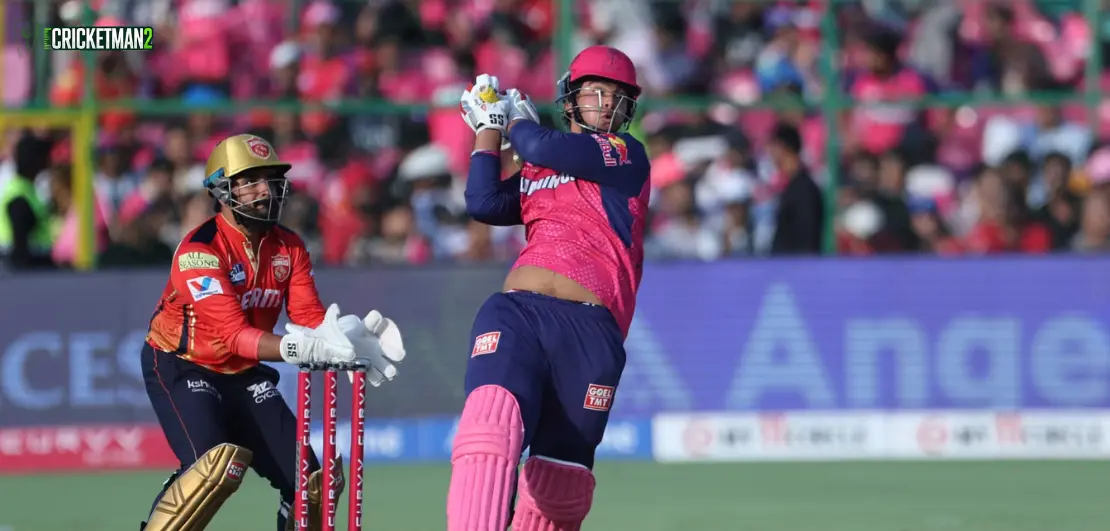
The Indian Premier League (IPL) has transformed cricket since its first season in 2008. Over the years, batting in the tournament has changed dramatically. Players now score faster, teams aim for bigger totals, and aggressive batting has become the standard style.
In the early seasons, teams were still learning how to approach T20 cricket. Today, IPL batting is more explosive, with players focusing on power-hitting, innovative shots, and fearless scoring from the first ball.
Early IPL Years: Balanced and Careful Batting
During the first few seasons of the IPL, batting was relatively cautious. Teams usually aimed for totals between 150 and 170 runs, which were considered strong scores at that time.
Batsmen often took time to settle before attacking. Anchors played an important role, building the innings slowly while aggressive hitters finished the game in the final overs.
Many teams followed a traditional structure where one batter stayed longer at the crease while others supported him.
Typical Batting Style Around 2008
| Aspect | Typical Approach |
|---|---|
| Average team score | 150–170 runs |
| Batting strategy | Start slow, accelerate later |
| Role of anchor | Very important |
| Power-hitting | Mostly in final overs |
This method worked well during the early years because bowling attacks were still adapting to the T20 format.
Rise of Power-Hitting and Big Totals
As the IPL grew in popularity, batting styles began to change. Players started focusing more on power-hitting and aggressive scoring.
Teams realized that high totals could put pressure on opponents. As a result, many sides began attacking earlier in the innings instead of waiting for the final overs.
International T20 specialists and modern training methods also helped batsmen improve their ability to clear boundaries.
Batting Trends in Later IPL Seasons
| Season Period | Batting Trend |
|---|---|
| 2008–2012 | Balanced batting, moderate totals |
| 2013–2017 | More aggressive middle overs |
| 2018–Present | Power-hitting from the start |
Today, totals above 200 runs are no longer rare in IPL matches.
Strike Rates Have Increased
One of the biggest changes in IPL batting is the increase in strike rates. Players now aim to score quickly instead of simply spending time at the crease.
Even top-order batsmen attack from the first few overs. Powerplay scoring has become a key part of a team’s strategy.
Teams now target 60 to 70 runs in the powerplay overs, something that was uncommon in the early IPL seasons.
Comparison of IPL Batting Styles
| Factor | Early IPL (2008–2012) | Modern IPL |
|---|---|---|
| Powerplay scoring | 40–50 runs | 60–70 runs |
| Typical total | 150–170 | 180–200+ |
| Batting approach | Build slowly | Attack from start |
| Boundary hitting | Occasional | Frequent |
This shift has made matches more exciting and unpredictable.
Impact of Modern T20 Specialists
Another major reason for the change in IPL batting is the rise of T20 specialists. Many players now train specifically for short-format cricket.
These players practice innovative shots such as reverse sweeps, scoop shots, and ramp shots. Such techniques allow them to score runs even against strong bowling attacks.
Fitness and strength training have also improved, helping players hit the ball harder and further.
Role of Data and Analytics
Teams now rely heavily on data and match analysis. Coaches study bowling patterns, field placements, and pitch conditions before planning their batting approach.
Batters know which bowlers to attack and which overs are best for scoring quickly. This detailed preparation has helped teams push scoring rates higher than ever before.
Influence of IPL on Global Cricket
The evolution of batting in the IPL has also influenced cricket around the world. Many international teams have adopted similar aggressive strategies in T20 cricket.
Players who succeed in the IPL often bring those skills to international matches. As a result, modern T20 cricket is faster and more entertaining than ever before.
Conclusion
Batting in the IPL has evolved significantly since 2008. What started as a cautious approach has transformed into an aggressive, high-scoring style of cricket.
Teams now focus on power-hitting, higher strike rates, and attacking strategies from the very beginning of the innings.
This evolution has made the IPL one of the most exciting cricket tournaments in the world and has changed the way T20 cricket is played globally.