

The Board of Control for Cricket in India is preparing a long-term plan for the India national cricket team ahead of the 2027 ICC Cricket World Cup.
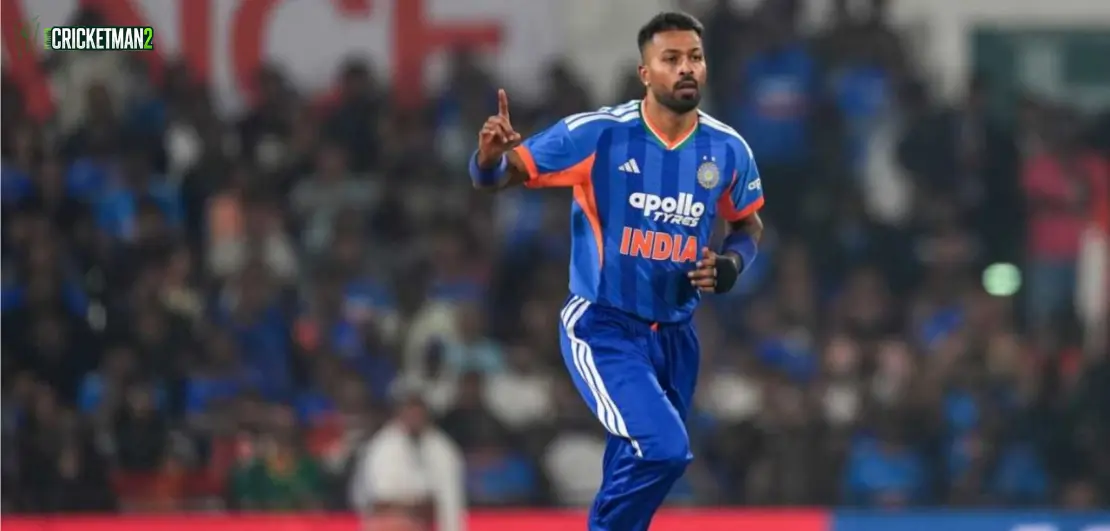
A key part of this plan involves giving all-rounder Hardik Pandya a bigger responsibility with the ball in ODI matches.
Team management wants Pandya to become a regular bowler who can deliver his full quota of overs when required. If this plan works, it could help India build a stronger and more balanced bowling attack for the tournament.
Hardik Pandya’s Possible New Bowling Role
The management is encouraging Hardik Pandya to bowl a complete spell of 10 overs in ODI matches.
Pandya has been working on improving his bowling workload and fitness so he can handle longer spells.
However, his injury history means the team will manage his workload carefully. In some matches he may bowl the full 10 overs, while in others he may bowl around 6–7 overs depending on the situation.
Hardik Pandya’s ODI Bowling Plan
| Aspect | Details |
|---|---|
| Role | Bowling all-rounder |
| Expected workload | Up to 10 overs in ODIs |
| Usual workload in some matches | 6–7 overs |
| Focus areas | Pace, swing and control |
| Key concern | Managing injuries and fitness |
Pandya has also been trusted with the new ball in some shorter format games, showing the team’s confidence in his bowling ability.
Why Hardik Is Important for India’s World Cup Strategy
The 2027 World Cup will be played mainly in South Africa, where pitches often offer bounce and pace.
A fast-bowling all-rounder like Hardik Pandya can provide balance to the team in such conditions.
If Pandya can bowl his full quota, India can strengthen their pace attack while still maintaining depth in batting.
Possible Bowling Combination for India
India could use a combination of strong fast bowlers and quality spinners.
Expected Bowling Attack Structure
| Role | Player Options |
|---|---|
| Lead fast bowler | Jasprit Bumrah |
| Second fast bowler | Arshdeep Singh |
| Fast bowling all-rounder | Hardik Pandya |
| Spin all-rounder | Ravindra Jadeja |
| Wrist spinner | Kuldeep Yadav |
In this setup, Bumrah and Arshdeep could share the new ball and bowl major portions of the innings, while Pandya supports them as the third seamer.
The spinners would control the middle overs and create wicket-taking opportunities.
Also See : Shreyas Iyer Faces Slow Over-Rate Trouble in IPL 2026 After PBKS vs CSK Match
Backup Options in the Bowling Unit
India also has several backup players who could support the attack depending on conditions and opposition.
Backup Bowling Options
| Player | Role |
|---|---|
| Axar Patel | Spin all-rounder |
| Harshit Rana | Fast bowler |
These players could be included depending on pitch conditions or team balance.
In some matches, India might even use four fast bowlers if the pitch favors pace.
Why South African Conditions Matter
South African pitches are usually fast and bouncy.
Because of this, teams often prefer playing multiple fast bowlers who can take advantage of the extra bounce.
India may therefore choose a pace-heavy attack supported by spin options like Jadeja and Kuldeep.
This combination would allow the captain to rotate bowlers effectively throughout the innings.
What This Plan Means for India
India has come close to winning major ICC tournaments in recent years but has missed out on the title at crucial moments.
Team management now wants to improve the bowling strategy and overall balance of the squad.
If Hardik Pandya can stay fit and bowl consistently, he could become one of the most important players in India’s World Cup campaign.
Final Thoughts
The BCCI’s plan to expand Hardik Pandya’s bowling role could play a key part in India’s preparation for the 2027 ODI World Cup.
A fully fit Pandya who can bowl up to 10 overs would give India an extra fast-bowling option while strengthening the team’s overall balance.
With strong pacers, quality spinners, and flexible backups, India hopes to build a bowling attack capable of performing well on South Africa’s fast pitches.