

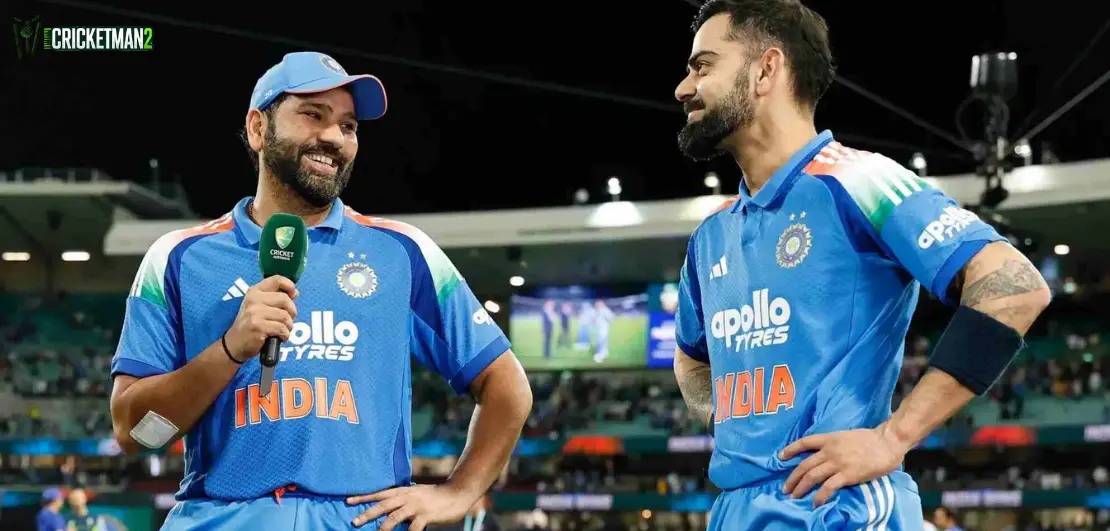
As the ODI World Cup 2027 comes closer, discussions have started about the future of two Indian cricket legends — Rohit Sharma and Virat Kohli.
Both players remain key figures in Indian cricket, but with the tournament still some time away, many believe the Board of Control for Cricket in India should start clear discussions about their future roles in the ODI team.
Open communication between the board, selectors, and players can help India prepare better for the 2027 tournament while also giving senior players clarity about their international careers.
Why Clarity Is Important for Players
In cricket, clarity about a player’s role is very important. When players understand what the team expects from them, they can prepare better and perform with more confidence.
For batters, clarity helps them decide how to approach an innings. They know which bowlers to attack and when to take risks. For bowlers, it helps them understand when to focus on accuracy, variation, or aggression.
A good example is KL Rahul. Over the years, Rahul has played different roles for India. Sometimes he has opened the batting, while at other times he has batted in the middle order. To succeed in different positions, a player needs clear instructions from the team management about what is expected.
Without proper communication, players may struggle to adjust to changing roles.
Lessons from Past Selection Controversies
Indian cricket has seen situations in the past where a lack of clarity created confusion.
One famous example was the exclusion of Ambati Rayudu before the 2019 Cricket World Cup. Rayudu had been seen as India’s preferred number four batter for a long period, but later Vijay Shankar was selected instead.
Rayudu later expressed frustration about the decision and said he had been given “some stupid logic” for the change.
Many experts believe such situations could be avoided if players are informed clearly about the team’s plans well in advance.
Rohit Sharma and Virat Kohli’s Future Plans
As India begins planning for the 2027 Cricket World Cup, the future of Rohit Sharma and Virat Kohli is naturally becoming a topic of discussion.
By the time the tournament arrives, Rohit and Virat will be close to 40 years old. Because of this, questions about fitness, longevity, and long-term team planning are already being raised.
Both players remain motivated and would like to finish their ODI careers on a high by winning another World Cup for India. However, they also deserve to know whether they are part of the board’s long-term plans.
Clear communication will help them decide how they want to manage the remaining years of their careers.
Also See : Bangladesh Aims to Improve Cricket Ties With BCCI Ahead of Planned India Series
Yuvraj Singh Calls for Honest Communication
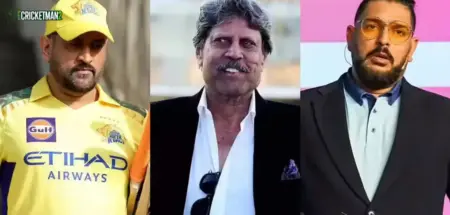
Former India star Yuvraj Singh has also spoken about this issue. He believes the selectors and the BCCI should speak openly with Rohit and Virat about their future.
If the board sees them playing in the 2027 World Cup, that plan should be clearly communicated. If the selectors are looking at younger players instead, that should also be explained honestly.
According to Yuvraj, players may initially feel disappointed if they are told they are not part of future plans. However, hearing the truth directly is far better than reading rumors in the media.
He also pointed out that Indian cricket has sometimes struggled with transparency in selection decisions.
Former India head coach Gautam Gambhir has previously raised similar concerns about the need for better communication between the management and players.
Respect for Legends Matters
Rohit Sharma and Virat Kohli are among the greatest players India has produced. They have carried the team through many successful years and remain two of the most experienced leaders in the dressing room.
Because of their contribution to Indian cricket, discussions about their future should be handled with respect and honesty.
Senior players deserve direct conversations rather than uncertainty about selection decisions.
Most Runs for India in ODIs (Recent Matches)
| Batter | Innings | Runs | Highest Score | Average | Strike Rate | 100s | 50s |
|---|---|---|---|---|---|---|---|
| Virat Kohli | 9 | 616 | 135 | 88.00 | 106.39 | 3 | 3 |
| Rohit Sharma | 9 | 409 | 121* | 51.12 | 91.29 | 1 | 3 |
| KL Rahul | 7 | 317 | 112* | 79.25 | 120.07 | 1 | 2 |
| Shubman Gill | 6 | 178 | 56 | 29.66 | 91.28 | 0 | 2 |
| Yashasvi Jaiswal | 3 | 156 | 116* | 78.00 | 89.14 | 1 | 0 |
| Shreyas Iyer | 5 | 132 | 61 | 26.40 | 75.42 | 0 | 1 |
| Ruturaj Gaikwad | 2 | 113 | 105 | 56.50 | 116.49 | 1 | 0 |
The numbers show that experienced players like Kohli and Rohit are still delivering strong performances, while younger players are also pushing for bigger roles.
India’s preparation for the 2027 ODI World Cup should start with clear planning and open discussions.
If Rohit Sharma and Virat Kohli are part of the future strategy, they should be fully included in the team’s roadmap. If the selectors are planning a transition toward younger players, that decision should be communicated clearly.
Honest conversations will help both the team and the players move forward with confidence and respect.